


Find the Bottlenecks
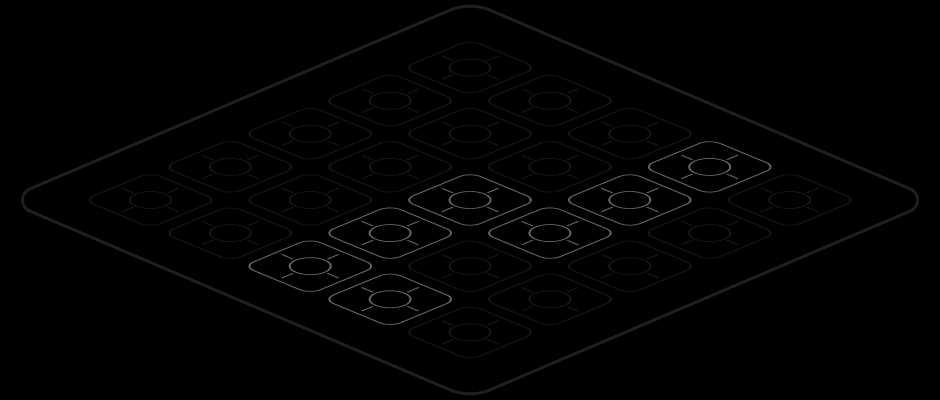
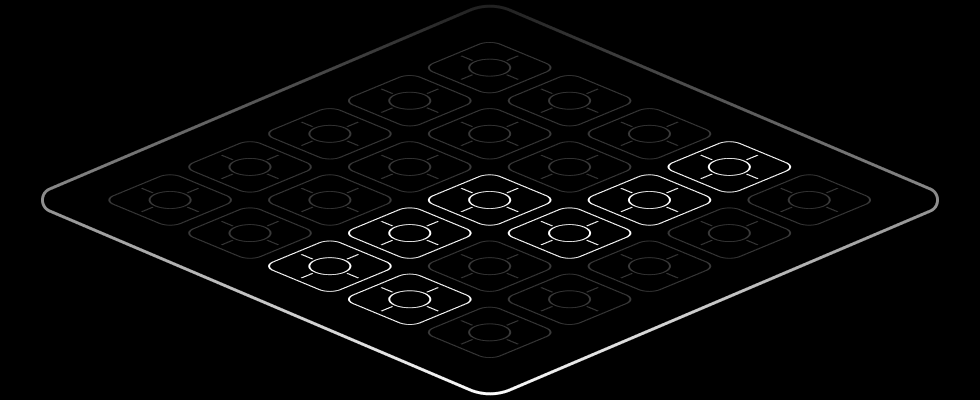
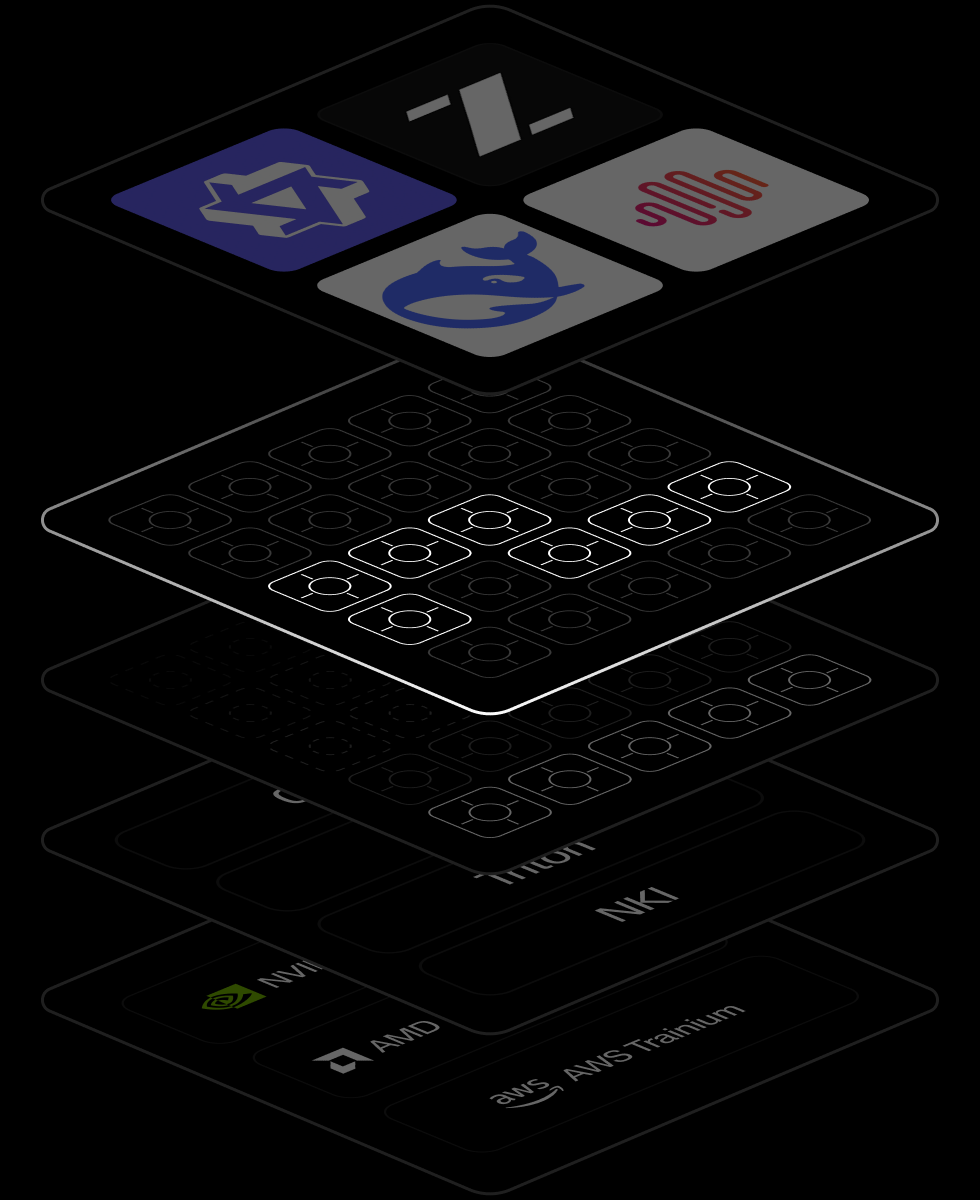
The agent profiles the stack to see whether latency or throughput is coming from scheduling, decoding, kernels, memory pressure, or hardware fit.
Wafer Technology
Wafer employs agents to identify and enhance inference bottlenecks in orchestration, algorithms, serving engines, GPU kernels, and diverse hardware.
The fastest setup is rarely a single switch. Kernel choices, serving-engine behavior, batching, quantization, hardware, and traffic shape all push on each other
The agent profiles the stack to see whether latency or throughput is coming from scheduling, decoding, kernels, memory pressure, or hardware fit.
Experience lightning-fast, real-time responses tailored for voice agents, intelligent copilots, and interactive AI products
Deploy the fastest configuration on the target stack and continue profiling production traffic to identify bottlenecks as load, models, and hardware evolve
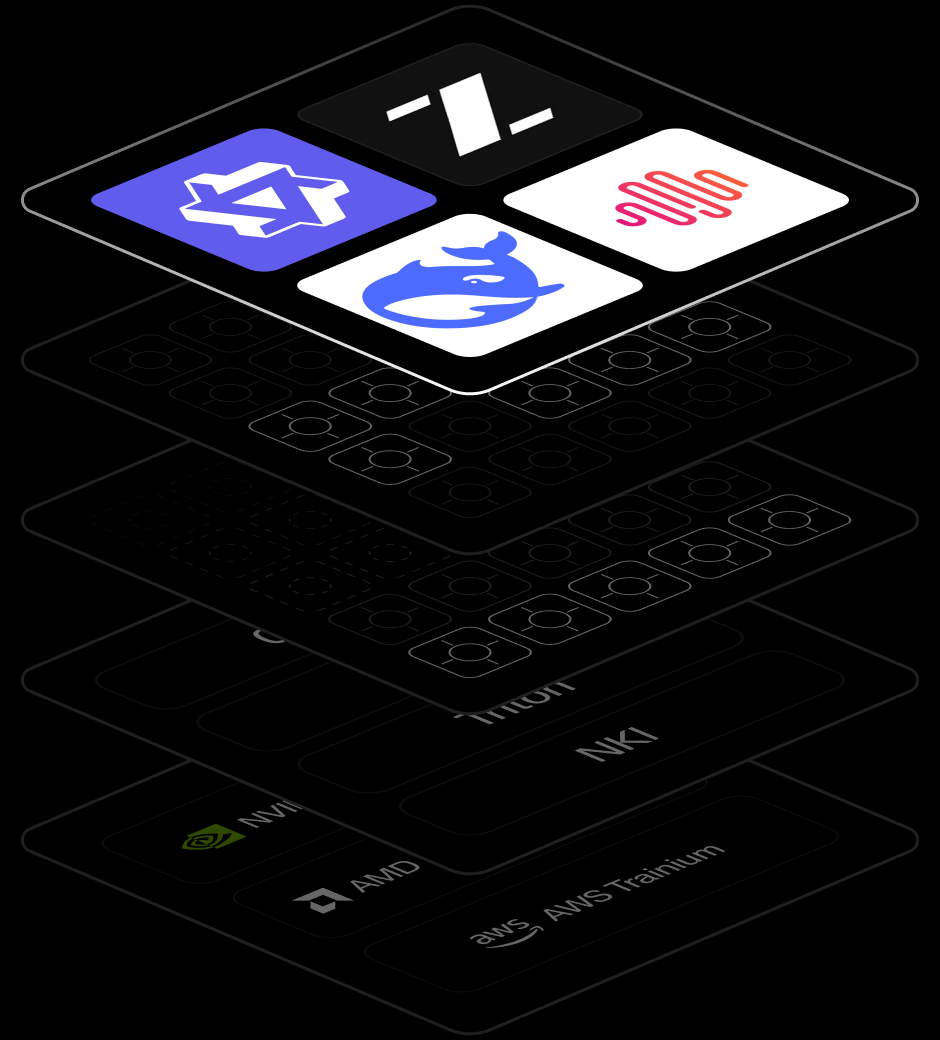
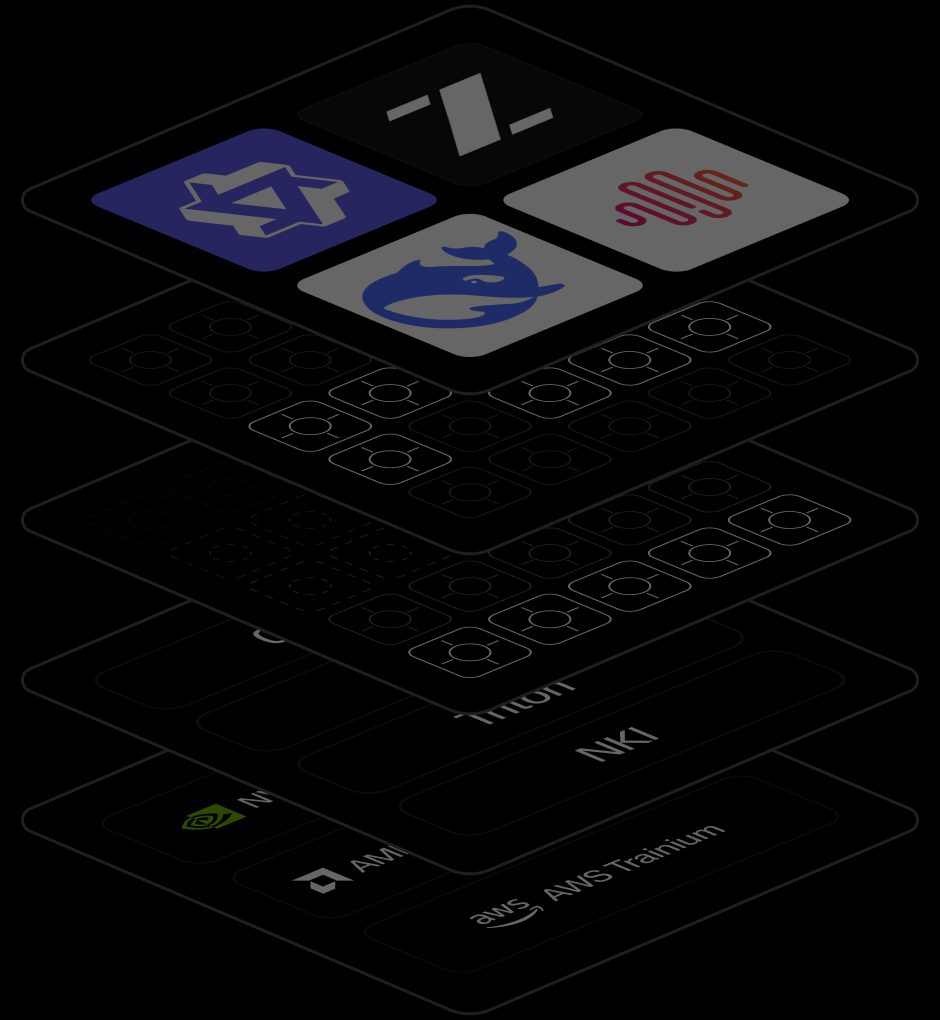
Real performance is not won at a single layer
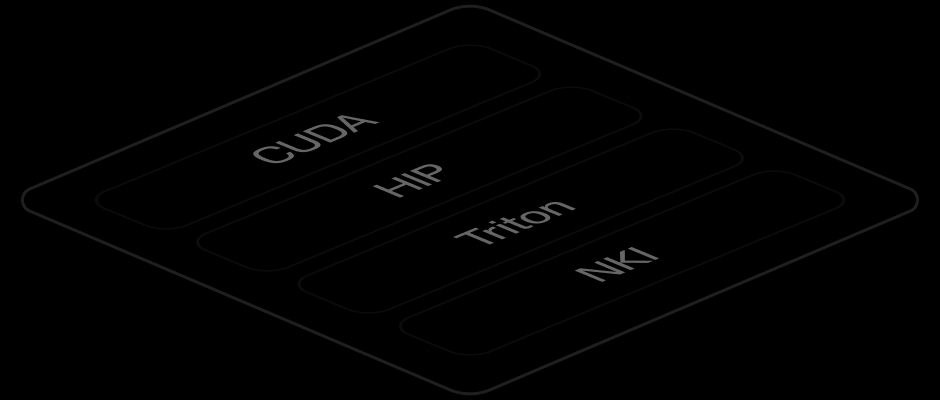
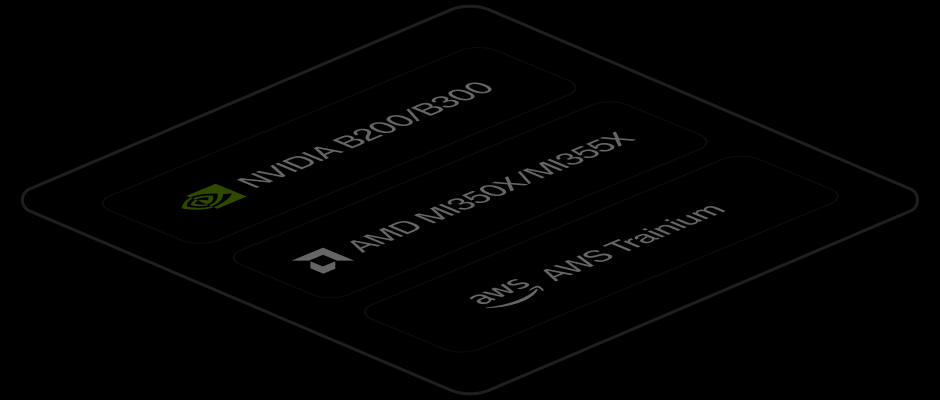
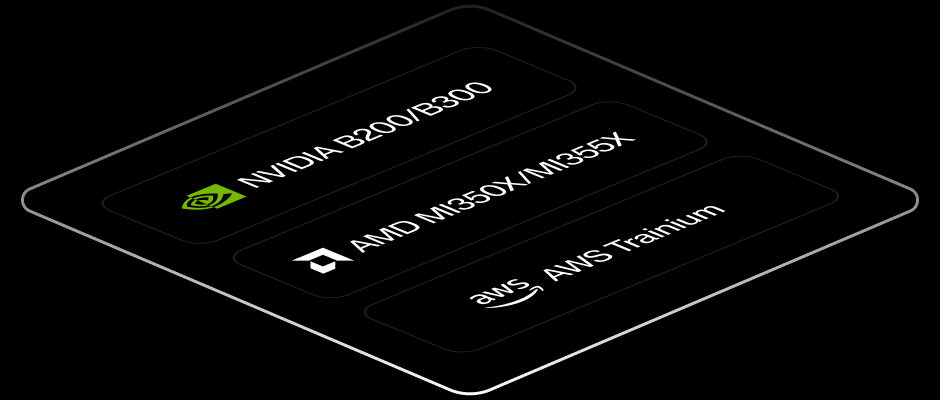
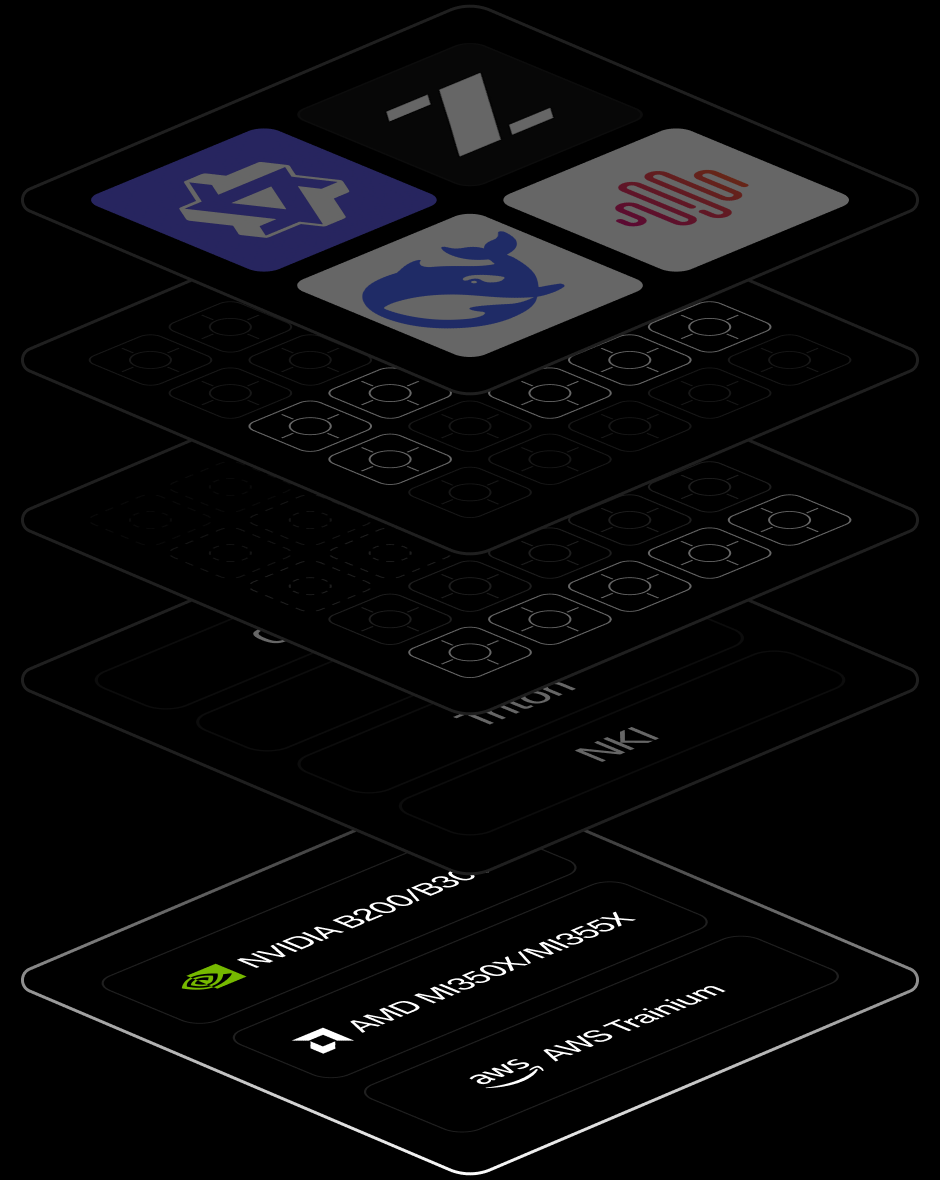
Re-derive optimal configurations per silicon instead of porting assumptions from one accelerator family to another.
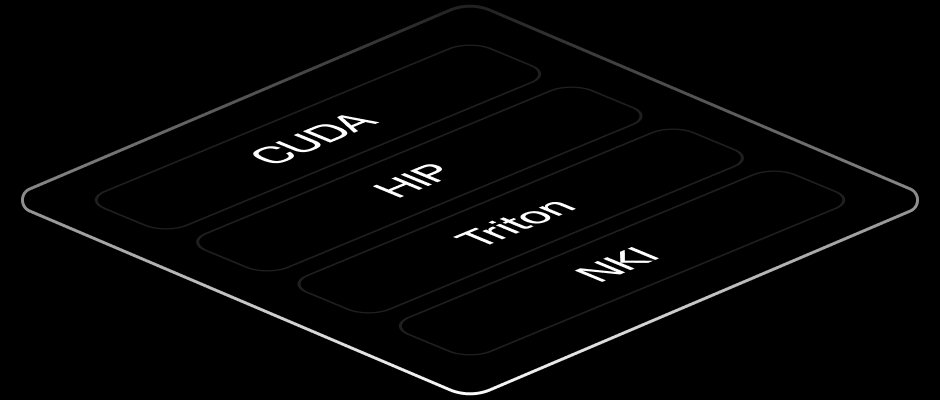
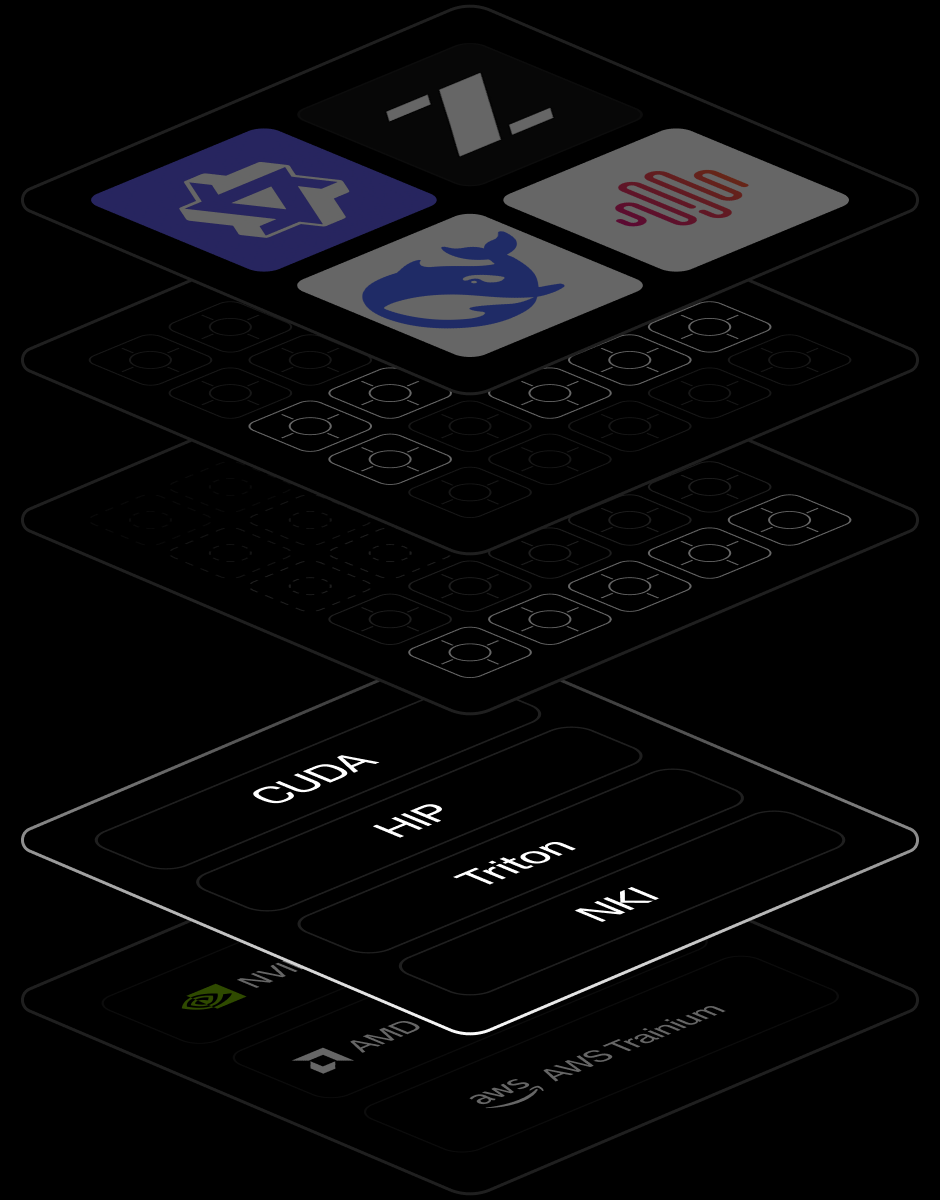
Write fused ops, attention paths, GEMM variants, and decode kernels turned to the model shape and hardware target
Auto-tune serving engines for the specific model, traffic shape, memory pressure, and latency target
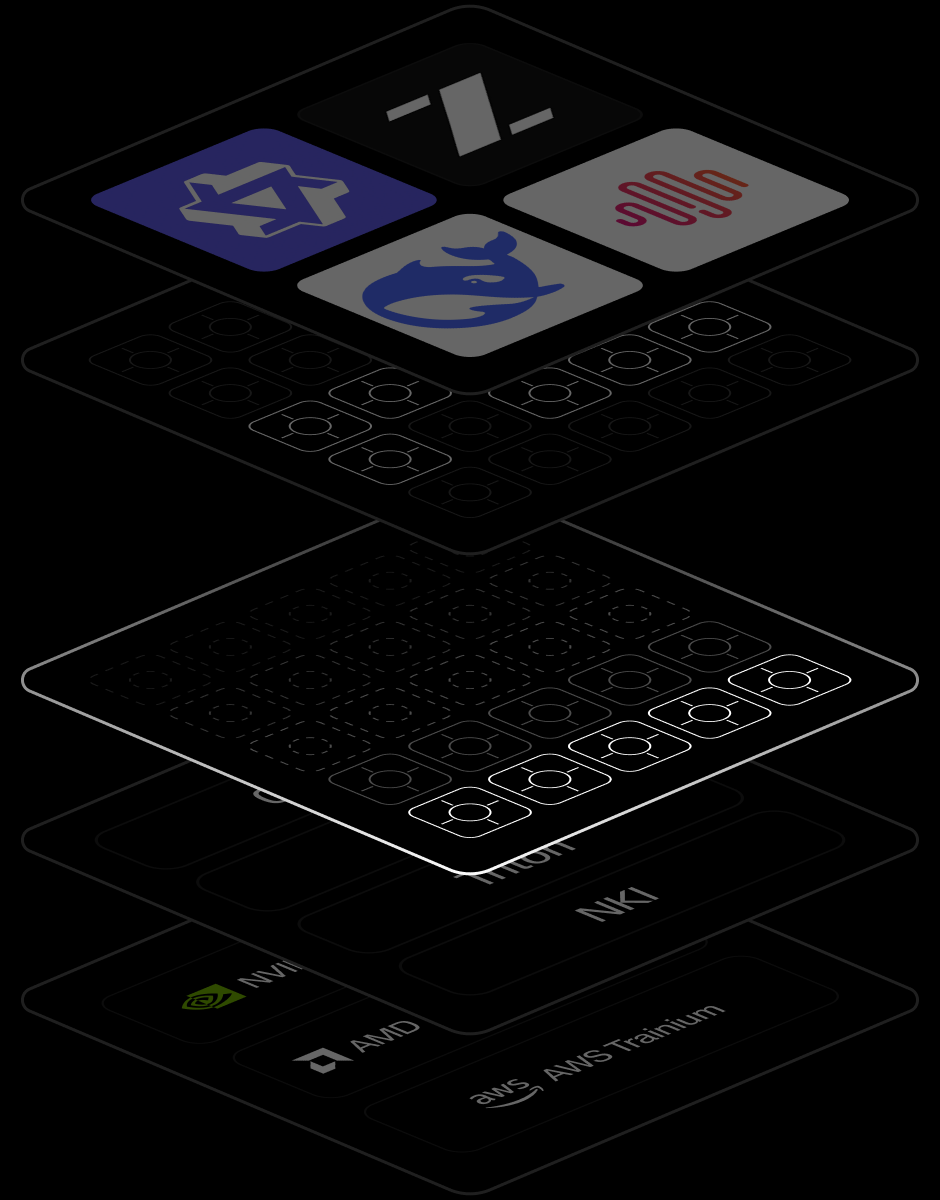
Compare speculative decoding, FP8 and FP4 quantization formats, batching strategies, and expert sharding for MoE models
Wafer transforms profiling data into candidate changes, evaluates them on the target stack, and applies only those that meet correctness and performance standards.
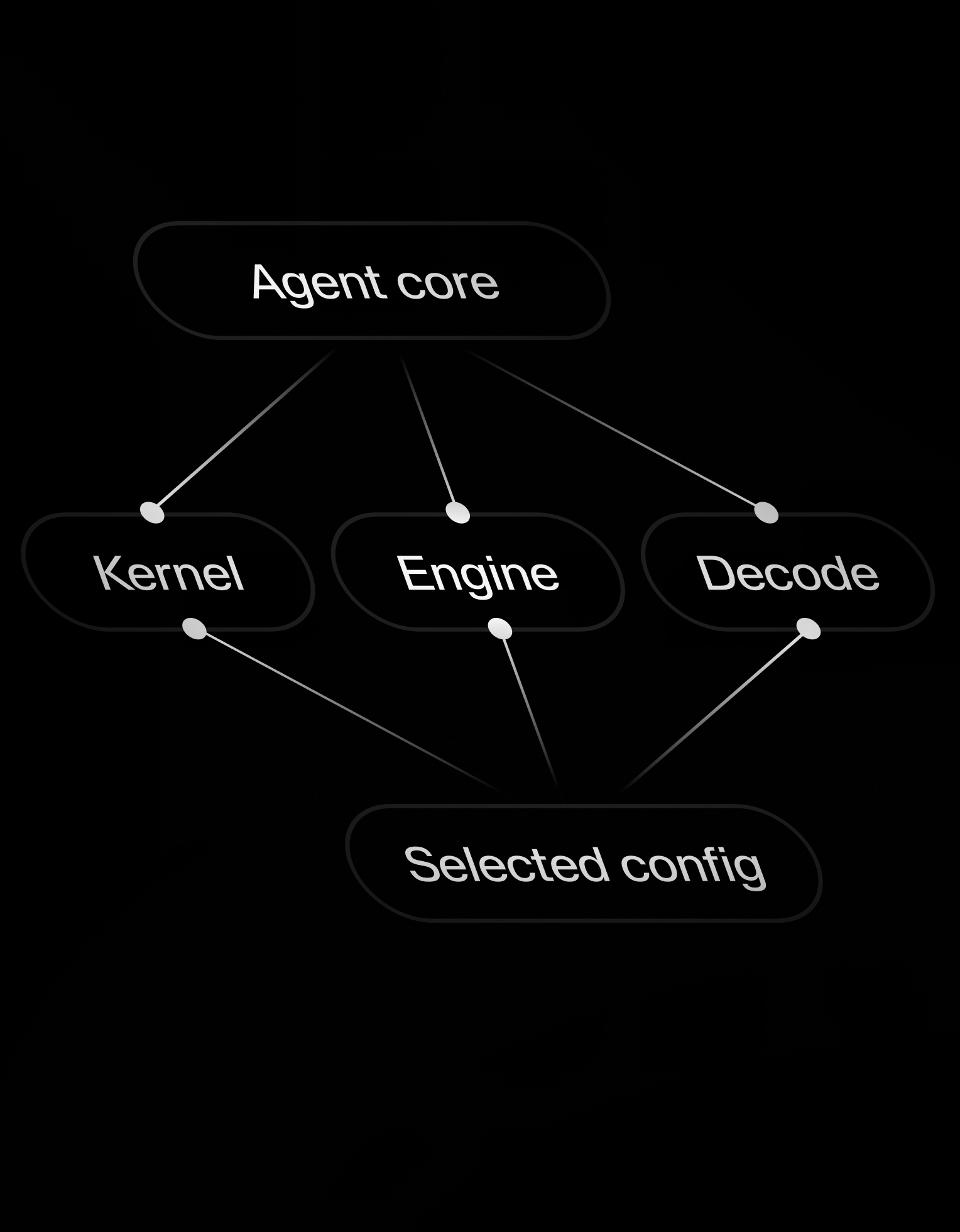
The measured winner — every layer above is chosen
by measurement on the target stack, not heuristics